
In the intricate web of a lush mangrove ecosystem, where twisted roots meet calm waters, another stunning example of nature’s camouflage awaits. At first glance, this photograph captures a serene wetland scene filled with dense foliage, exposed roots, and reflective brownish water. But hidden in plain sight is a remarkable predator that proves just how deceptive the wild can be.
Can you spot the hidden crocodile?
The Master of Mangrove Camouflage
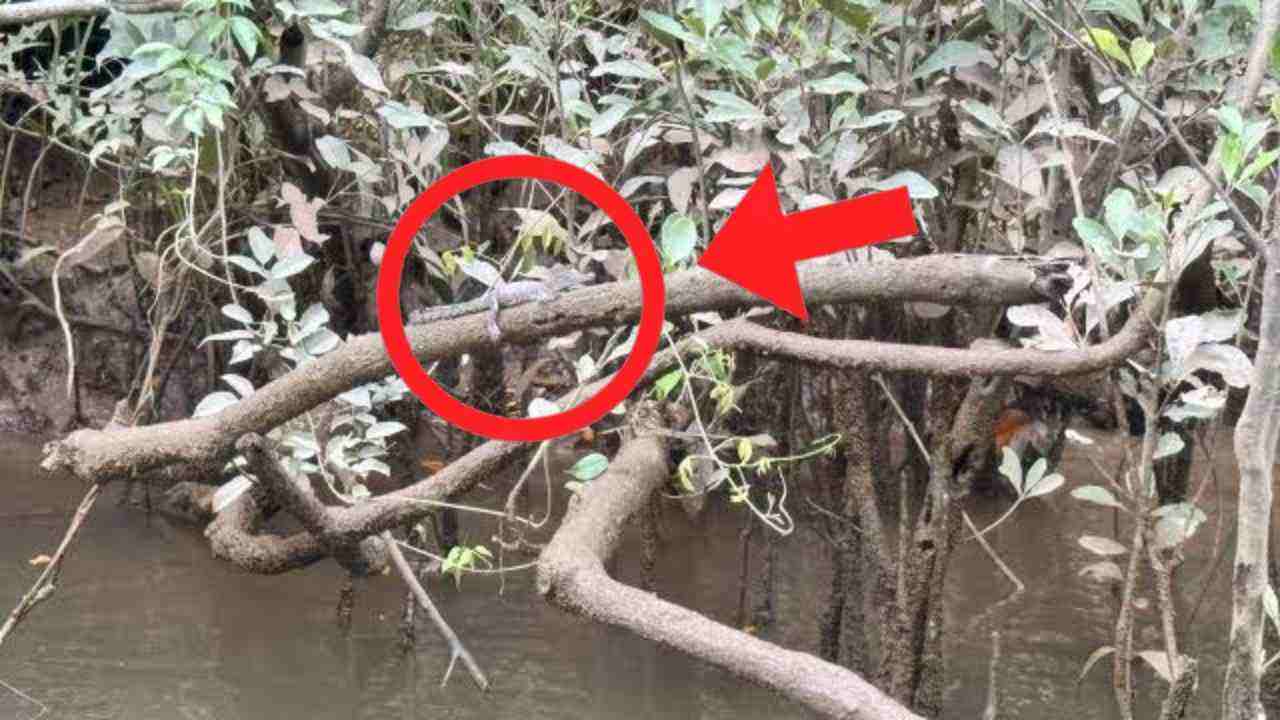
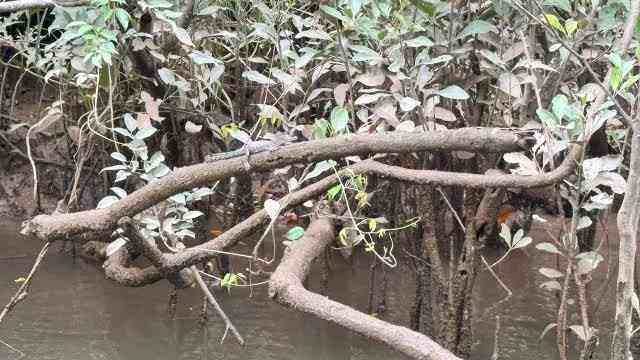
This image features a baby crocodile perfectly blending into its surroundings. Tucked away at the center of the picture, the young reptile is seated on a branch, its small body and textured skin mimicking the dark, gnarled wood and shadows of the mangrove. Its olive-brown coloration and motionless posture make it nearly invisible among the roots and branches until your eyes adjust to its form.
Baby crocodiles, often called hatchlings or juveniles, are masters of stealth even at a young age. While adult crocodiles can reach massive sizes, these youngsters stay smaller and more vulnerable, relying heavily on camouflage to avoid predators like birds, larger reptiles, and mammals. In mangrove forests — vital coastal ecosystems found across tropical regions including India’s Sundarbans, the Andaman Islands, and Southeast Asia — such hiding spots provide both safety and excellent ambush opportunities for hunting small fish, crabs, and insects.
The crocodile in this photo demonstrates a biological adaptation known as crypsis. Its rough, scaly skin closely resembles the bark and mud, while its low profile on the branch allows it to remain undetected. Only the subtle shape of its head and the faint outline of its body give it away once you know where to look — right at the center, resting comfortably on the branch above the waterline.
Mangroves play a critical role in biodiversity conservation. They act as nurseries for marine species, protect coastlines from erosion, and support a wide array of wildlife. In India and other tropical countries, these forests are home to the saltwater crocodile, one of the largest reptiles on Earth. Spotting a baby crocodile like this highlights the importance of preserving these habitats, especially as they face threats from climate change, pollution, and human encroachment.
Wildlife photography like this not only challenges viewers to sharpen their observation skills but also raises awareness about the delicate balance of these ecosystems. For nature enthusiasts, hikers, and photographers exploring mangrove trails, always scan the branches and roots carefully — you never know what might be watching you back.
This stunning capture serves as both a fun visual puzzle and an educational reminder of nature’s ingenuity. The next time you visit a coastal forest or browse wildlife images, remember to look twice. Hidden wonders like this crocodile are often right in front of us.
Answer: This is a baby crocodile sitting on a branch at the center of the pic. Its body blends seamlessly with the dark mangrove roots and branch textures, showcasing perfect natural camouflage.